

During my career in the City, there was a complete disconnect between the plans I designed and the life I lived.
Long days were normal. Twelve hours at a desk was routine. Lunch was optional. The gym was something I told myself I’d get back to “next week.”
And yet, day after day, I would sit across from clients and tell them something very different.
I would show them, often quite clearly, that they had more than enough. More than enough to spend. More than enough to enjoy. More than enough to step back.
And I would say, with total conviction: “your most valuable asset isn’t your money. It’s your time and your health.”
Looking back, there was a gap between what I believed and how I lived.
It’s an uncomfortable thing to admit. But it matters, because financial planning, at its core, isn’t about numbers. It’s about alignment.
Designing a Plan You’d Actually Follow
This tension between maximising wealth but deferring life has forced a change in how we think at Barnaby Cecil.
We stopped asking only, “Will this plan work?” and started asking, “Would we choose to live this way ourselves?”
That changes things. It means recognising that work and wealth are tools to support life, not the other way around.
And it means being willing, at times, to act on that belief.
For me, that took the form of rowing the Atlantic.
It was not a rational decision in the traditional sense. It didn’t improve the outcome of any spreadsheet. But it was a refusal to defer everything meaningful to “later.”
Because none of us knows how much later we have.
A Different Definition of Risk
There is another kind of risk that rarely appears in financial modelling: the risk of regret.
The risk of reaching a point where time or health is no longer available in the way you assumed it would be.
The risk of having built financial security at the expense of actually using it.
In practice, that often leads to over-saving, over-working, and under-living, particularly among high earners.
Not because they need to, but because it becomes the default.
Good planning still matters, but it should interrupt the status quo, not reinforce it.
Living the Advice
At Barnaby Cecil, that principle now runs both ways, shaping how we advise clients and how we run the firm.
Which is why Emma is about to step away for two months to take on the Clipper Round the World Yacht Race, sailing from Seattle, through the Panama Canal, and on to Washington, D.C.
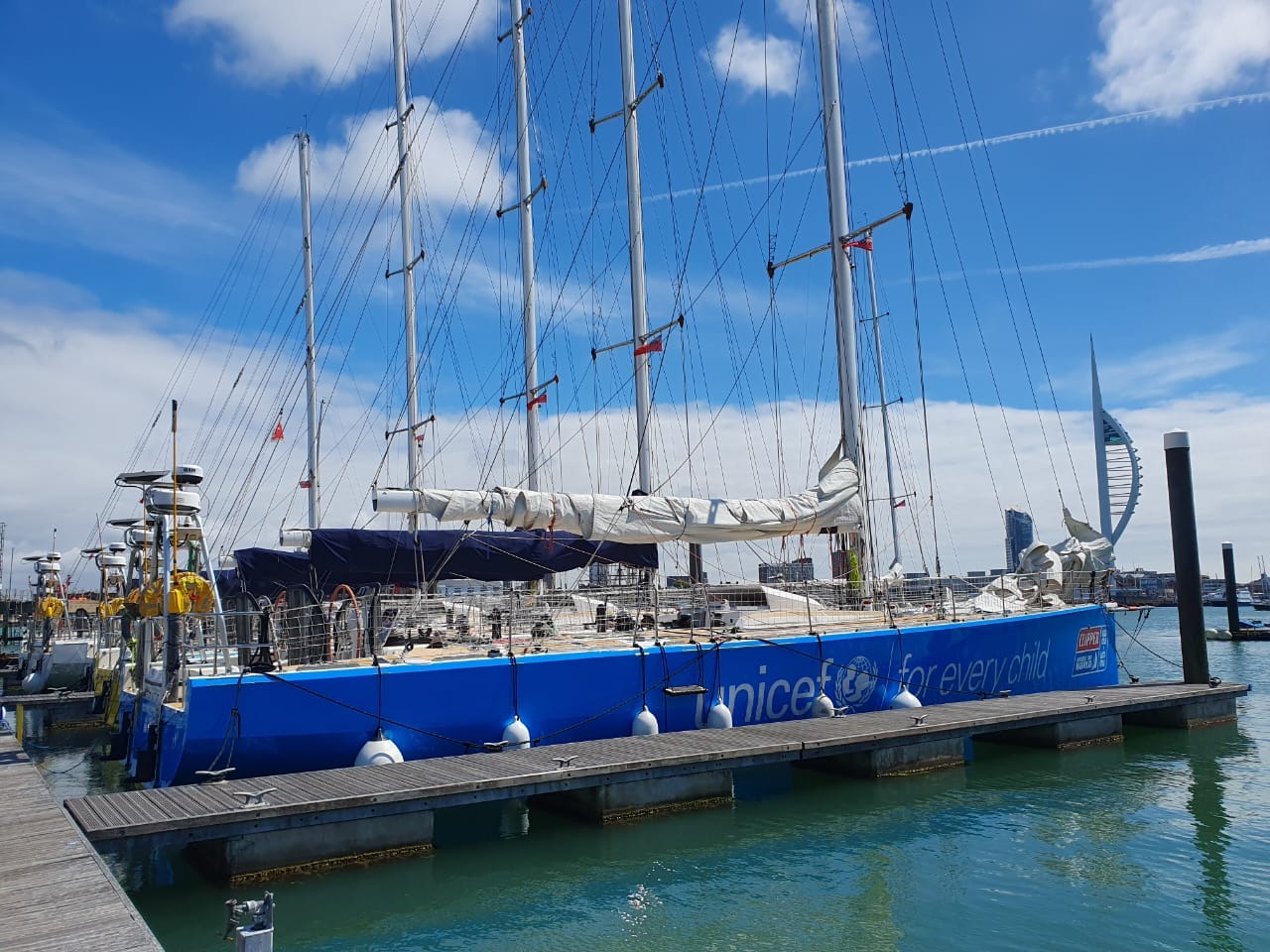
It’s a significant commitment. It requires the rest of us to stretch, to cover, to work harder in the short term.
But it’s the right decision.
Because if we genuinely believe that work and wealth should facilitate life, then we have to create space for people to live it.
The Only Question That Matters
Every financial plan, however sophisticated, ultimately leads to a simple question:
What is all of this for?
If the answer is unclear, the plan will drift.
If the answer is postponed indefinitely, the plan will succeed on paper and fail in reality.
You don’t need to row an ocean or sail around the world, but most people carry something, a version of a life they intend to live “at some point.”
The opportunity is not always to do more. Sometimes, it’s simply to bring one of those things forward.
Because while money compounds over time, so do experiences, and unlike markets, time doesn’t recover.
If this prompts you to act on something you’ve been putting off, even in a small way, that’s a far better outcome than any forecast we could produce.
And if it does, I’d genuinely like to hear about it.

Copy here introducing the client stories section and examples of testimonials
